
Dementia and Memory Changes: Therapy and Support at Home
In-Home Dementia Therapy and Caregiver Support in Oakland and Macomb County, Michigan
Safer routines, clearer communication, and support for the whole family.
ELEVATE provides in-home occupational, speech-language, and physical therapy for adults living with dementia and memory changes, and for their caregivers, in Oakland and Macomb County, Michigan. Licensed therapists work on daily routines, home safety, communication, swallowing, and balance in your own home, alongside your physician. Visits are private-pay and one-on-one.
- Dementia is a loss of thinking, remembering and reasoning that is severe enough to interfere with daily life. It is caused by brain changes, it is not a normal part of aging, and there is currently no cure.
- Alzheimer’s disease is the most common form. Symptoms include memory loss, confusion, trouble with words and tasks, poor judgment, and changes in mood and behavior.
- A physician diagnoses dementia and rules out treatable causes. Therapy does not cure it, but it can help people do as much as they can for themselves, stay safe, and keep communicating, and it helps families cope.
- Occupational therapy adapts routines and the home. Speech-language pathology supports communication and swallowing. Physical therapy supports strength, balance and fall prevention.
- ELEVATE Therapy Services brings therapy to your home in Oakland and Macomb County, Michigan. Visits are private-pay and one-on-one.
What dementia is
The National Institute on Aging (NIA) defines dementia as the loss of cognitive functioning, meaning thinking, remembering and reasoning, to such an extent that it interferes with a person’s daily life and activities. Some people with dementia cannot control their emotions, and their personalities may change. Dementia ranges in severity from the mildest stage, when it is just beginning to affect function, to the most severe stage, when the person depends completely on others for basic activities such as feeding themselves.
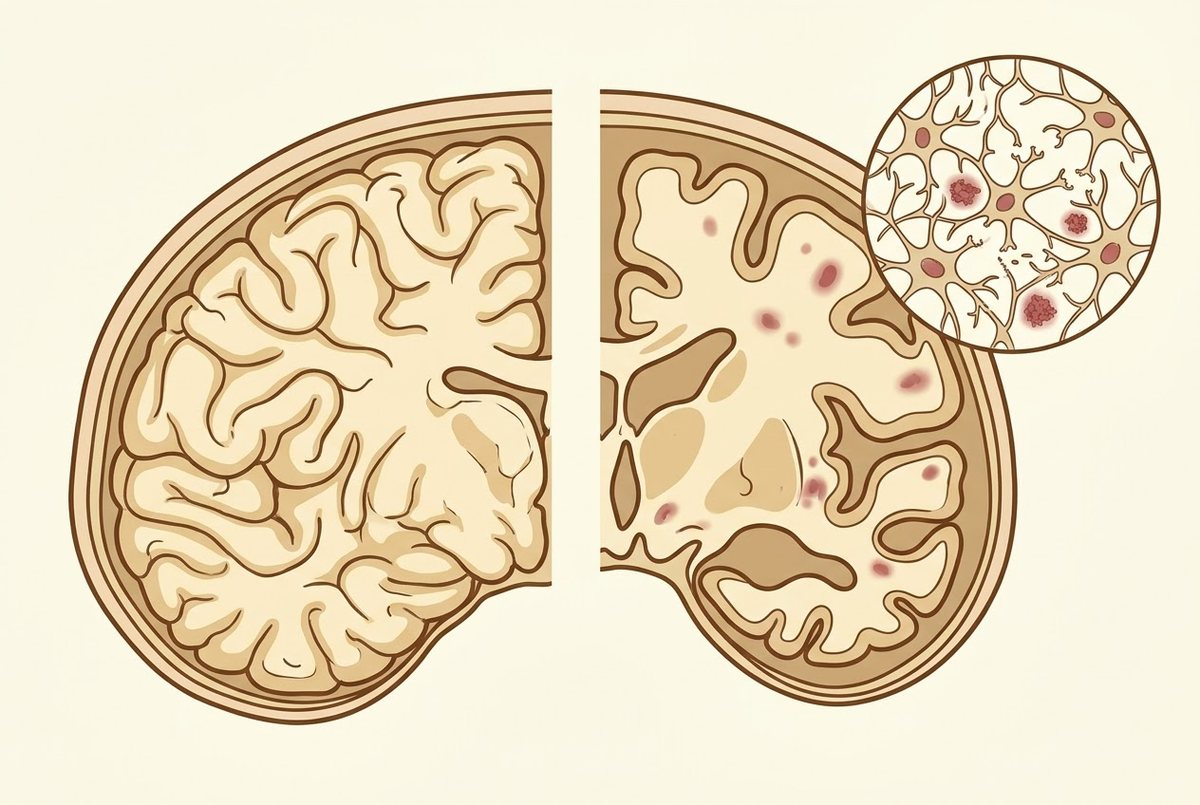
Because dementia affects how a person thinks, plans and communicates, the most helpful support is practical: routines, the home environment, communication strategies and caregiver skills.
Causes and types
Signs and symptoms of dementia result when once-healthy neurons (nerve cells) in the brain stop working, lose connections with other brain cells and die. Everyone loses some neurons with age, but people with dementia lose far more. For a small number of people, rare genetic variants cause dementia. Researchers do not yet know for certain what, if anything, can prevent dementia, although NIA notes a healthy lifestyle may help reduce risk factors.
Only a physician can diagnose the type, using the history, an exam and tests, and can look for treatable contributors such as medicine effects, infections, vitamin deficiencies, thyroid problems, depression or hearing and vision loss.
Signs and symptoms
NIA lists these signs, which vary with the type of dementia:
- Memory loss, poor judgment and confusion
- Difficulty speaking, understanding and expressing thoughts, or reading and writing
- Wandering and getting lost in a familiar neighborhood
- Trouble handling money responsibly and paying bills
- Repeating questions, or using unusual words for familiar objects
- Taking longer to complete normal daily tasks
- Losing interest in normal daily activities or events
- Hallucinations, delusions or paranoia, and acting impulsively
- Not caring about other people’s feelings
- Losing balance and problems with movement
When to get help
- See a physician for memory or thinking changes that are new, worsening or interfering with daily life. Do not assume it is just aging.
- Tell the physician about sudden changes in behavior, new hallucinations, severe agitation, fever, or a recent illness or medicine change, since confusion can also have treatable causes.
- Report swallowing trouble, repeated falls, weight loss, or wandering and driving safety concerns.
- Caregivers also need support. The Alzheimer’s Association offers a free 24/7 Helpline at 1-800-272-3900.
How dementia affects daily life
| What a person may notice | Why it happens | Who helps |
|---|---|---|
| Forgetting appointments, repeating questions, getting lost | Memory and orientation networks in the brain are damaged. | Occupational therapy, with family |
| Trouble with cooking, dressing, bathing, money and medicines | Planning, sequencing and judgment are affected, so familiar tasks become confusing. | Occupational therapy |
| Trouble finding words or following a conversation | Language and attention networks are affected. | Speech-language pathology |
| Coughing or choking with meals, or forgetting to eat and drink | Swallowing coordination and awareness of hunger and thirst can decline. | Speech-language pathology, with a dietitian |
| Unsteady walking, falls, or fear of moving | Balance, attention and judgment about hazards are affected, and weakness adds to the risk. | Physical therapy, occupational therapy |
| Restlessness, agitation, withdrawal or sleep changes | Confusion, unmet needs, pain, overstimulation or changes in routine can trigger distress. | Whole team, with your physician |
How care works
There is currently no cure for any type of dementia, but care can make a major difference to safety, comfort and quality of life. Your physician manages diagnosis and medicines and checks for contributing conditions. Therapists focus on what a person can still do and on how to arrange the day, the home and communication so that success is more likely. Families and caregivers are central, and training them is part of therapy.
Because dementia changes over time, the plan is reviewed regularly. NIA recommends planning ahead, including for safety at home and for the help a person may need. See our aging in place guide for planning and home safety.
What occupational, speech-language and physical therapy each do
Occupational therapy: keeping daily life workable
- Assessment of how the person manages daily tasks and the home, including bathing, dressing, meals and medicines
- Simplified routines and step-by-step cues that match current abilities
- Home safety changes: lighting, clutter, bathroom safety, door and stove safety, and labeling
- Meaningful activities that fit the person’s abilities and interests
- Training for family caregivers in cueing, communication and calming approaches
Speech-language pathology: communication and swallowing
- Communication strategies for families: short clear sentences, one idea at a time, cues, and giving time to respond
- Memory aids such as notebooks, calendars and routines, as appropriate to the stage
- Swallowing evaluation and safe-eating strategies when coughing or choking appears
- Support with word finding and understanding as language changes
Physical therapy: staying strong and steady
- Strength, balance and walking programs that match the person’s ability to follow instructions
- Fall-risk assessment and prevention, and training for caregivers on safe assistance
- Walking and activity routines that keep the person moving
- Guidance on equipment, such as a cane or walker, when appropriate
Supporting services
What an ELEVATE home visit looks like
- Review: the diagnosis, medicines, daily patterns and your doctors’ recommendations, with family or caregivers present when possible.
- Assessment: daily tasks, communication, swallowing screening, balance and walking.
- Home review: hazards, lighting, bathroom, kitchen and bedroom.
- Plan: goals that matter to the person and family, with a written routine and caregiver training.
- Communication: progress shared with the physician as appropriate.
ELEVATE serves adults in Oakland and Macomb County, Michigan, with licensed occupational, speech-language and physical therapists. See Payments & Insurance for details.
Questions families ask
Is memory loss a normal part of aging?
Can therapy cure or stop dementia?
What can I do about wandering or getting lost?
How should I talk to someone with dementia?
When should we plan for more help at home?
Do I need a referral or does insurance cover this?
Does ELEVATE replace my doctor or memory specialist?
Trusted resources for dementia and memory changes
These organizations are the leading sources of education and support for this condition. We are not affiliated with them.
Related guides
Browse every condition we treat on our Conditions We Treat page.
Sources and medical note
- National Institute on Aging: What Is Dementia? Symptoms, Types, and Diagnosis and Aging in Place: Growing Older at Home.
- Alzheimer’s Association: 24/7 Helpline (free support, 1-800-272-3900).
This page is educational and is not medical advice. It does not replace your physician’s care. Always follow your physician’s instructions. For sudden new confusion, trouble speaking, face drooping, arm weakness, a head injury, or a person in danger, call 911 immediately.
Contact Elevate Therapy Services
Need to reach us? Use our web form to send a message now, or contact us using one of the methods below.
We will be in contact within one to two business days.
Phone: (248) 266-5721
Fax: (586) 788-1704
