ELEVATE STRETCH THERAPY SERVICES
Occupational Stretch Therapy Across the Lifespan: A Complete Guide
Restoring flexibility, mobility, and freedom of movement at every age and stage.
Stretch therapy is an evidence-informed practice that uses guided, assisted, and active stretching techniques to improve flexibility, joint mobility, posture, and physical performance. Far more than a warm-up or cool-down, stretch therapy addresses chronic tightness, movement restrictions, and muscular imbalances that accumulate across a lifetime. At ELEVATE Therapy Services, our stretch therapy programs are individualized, clinician-informed, and designed to help clients at every life stage move better, feel stronger, and live pain free.

What Is Stretch Therapy?
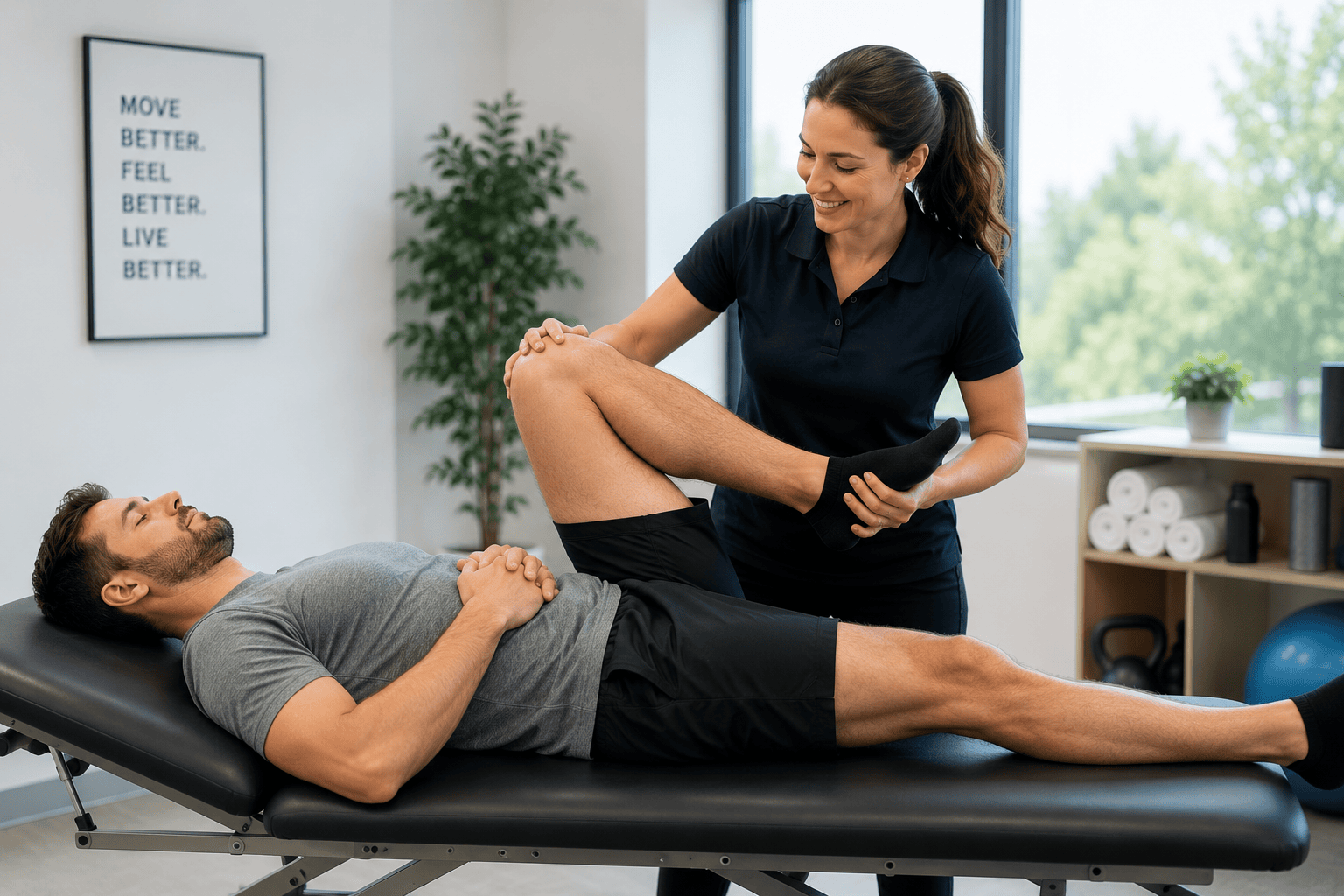
Stretch therapy is a structured, therapeutic approach to improving the flexibility and mobility of muscles, joints, and connective tissues. Unlike casual stretching, stretch therapy involves systematic assessment, individualized programming, and skilled facilitation — often using techniques such as proprioceptive neuromuscular facilitation (PNF), active isolated stretching (AIS), myofascial release, and assisted passive stretching.
Stretch therapists work across clinical, fitness, and wellness settings. At its most effective, stretch therapy integrates with physical therapy, occupational therapy, personal training, and massage therapy as part of a comprehensive, whole-person approach to movement health.

Why a Lifespan Approach to Stretch Therapy Matters
Flexibility and mobility are not static — they evolve continuously across the lifespan. A child's naturally supple joints, an adolescent athlete's performance demands, a pregnant woman's shifting biomechanics, a desk worker's chronic postural tension, and an older adult's age-related stiffness all call for different stretch therapy approaches.
A lifespan framework ensures that stretch therapy is developmentally appropriate, goal-aligned, and responsive to the unique physiological and functional needs of each life stage.
STRETCH THERAPY CAN BENEFIT ALL AGE GROUPS
Stretch Therapy for Children (Ages 4–12)
Children are naturally flexible, but structured movement and stretching education during childhood builds body awareness, coordination, and injury resilience that pay dividends for life. Pediatric stretch therapy is play-based, enjoyable, and focused on developing healthy movement habits.
Key Focus Areas
- Body awareness and proprioception development
- Flexibility education through play-based movement
- Postural awareness and core engagement
- Sport-specific flexibility foundations
- Relief from growing pains and muscle tightness
- Breathing and relaxation techniques
Who Benefits
Young athletes beginning organized sports, children with developmental coordination disorder (DCD), kids with hypermobility conditions, and those with postural concerns benefit most from age-appropriate stretch therapy.
Stretch Therapy for Adolescents (Ages 13–17)
Rapid skeletal growth during adolescence often outpaces muscle flexibility, creating tightness, postural imbalances, and elevated injury risk. Stretch therapy is a critical tool for keeping young athletes performing well and staying injury-free.
Key Focus Areas
- Hamstring, hip flexor, and quadriceps flexibility — common adolescent restriction patterns
- Thoracic spine mobility and postural correction (counteracting screen-related slumping)
- Sport-specific flexibility for gymnastics, dance, soccer, swimming, and other athletics
- Injury prevention for overuse conditions (IT band syndrome, Osgood-Schlatter, patellofemoral pain)
- Recovery stretching after intense training or competition
- Breathing and nervous system regulation for performance anxiety
Growth plate awareness is essential in adolescent stretch therapy. Qualified stretch therapists modify techniques and avoid excessive force at vulnerable skeletal growth zones.
Stretch Therapy for Young Adults (Ages 18–35)
Young adults are often caught between peak physical demand — competitive sport, demanding careers, new parenthood — and the early onset of habitual postural patterns and movement restrictions. Stretch therapy helps maintain the mobility needed to perform and recover at a high level.
Key Focus Areas
- Hip flexor and thoracic spine mobility for desk-bound professionals
- Athletic performance enhancement and sport-specific flexibility
- Pre- and post-workout stretching protocols
- Postpartum recovery — hip, pelvic, and lower back mobility restoration
- Stress and tension relief through parasympathetic-activating stretching
- Injury rehabilitation support alongside physical therapy
- Fascial health and connective tissue mobility
Stretch Therapy for Middle-Aged Adults (Ages 36–55)
Middle age is when accumulated postural habits, repetitive movement patterns, and the early effects of aging begin to meaningfully restrict mobility. Regular stretch therapy during this stage is one of the most impactful investments in long-term movement health.
Key Focus Areas
- Chronic low back, hip, and neck tightness relief
- Thoracic spine mobility to counteract decades of forward flexion
- Hip mobility restoration for runners, cyclists, and desk workers
- Shoulder girdle and chest opening for postural reset
- Fascia and connective tissue health as collagen density shifts with age
- Flexibility maintenance for recreational athletes and weekend warriors
- Perimenopause and menopause — joint comfort and mobility support
Research demonstrates that consistent flexibility training in middle age significantly reduces the risk of musculoskeletal injury, chronic pain, and functional limitations in later life — making this an ideal stage to establish a regular stretch therapy practice.
Stretch Therapy for Active Older Adults (Ages 56–70)
Flexibility naturally declines with age due to changes in connective tissue, reduced activity levels, and the cumulative effects of posture and movement habits. Stretch therapy during the 50s and 60s is powerful preventive medicine — preserving the range of motion needed for safe, confident daily movement.
Key Focus Areas
- Hip flexor and hamstring flexibility for safe walking and stair climbing
- Ankle mobility to reduce fall risk
- Shoulder and neck mobility for driving, dressing, and overhead activities
- Spinal mobility and decompression for disc health and posture
- Balance enhancement through improved joint proprioception
- Pre- and post-exercise flexibility for active older adults
- Arthritis management — gentle mobility restoration for affected joints
Stretch Therapy for Seniors (Ages 70+)
For adults over 70, maintaining functional flexibility is directly linked to independence, fall prevention, and quality of life. Even modest improvements in joint range of motion can dramatically impact a senior's ability to perform daily tasks, move safely, and remain active.
Key Focus Areas
- Gentle, supported stretching for frail or deconditioned individuals
- Fall prevention — hip, ankle, and lower extremity flexibility
- Activities of daily living (ADL) mobility — reaching, bending, dressing
- Post-surgical flexibility restoration (hip and knee replacement recovery)
- Pain relief through gentle myofascial and joint mobility work
- Seated and semi-reclined stretching programs for limited mobility
- Breathing and relaxation — parasympathetic nervous system support
Stretch therapy for adults over 70 requires careful consideration of osteoporosis, joint replacements, skin fragility, balance limitations, and cardiovascular conditions. ELEVATE's clinician-informed approach ensures all programming is safe, effective, and individually adapted.
Stretch Therapy for Special Populations
Stretch therapy offers meaningful benefits for a wide range of clinical and wellness populations across all age groups:
- Post-surgical rehabilitation — restoring range of motion after orthopedic procedures
- Neurological conditions — Parkinson's disease, stroke, MS (rigidity and spasticity management)
- Chronic pain conditions — fibromyalgia, myofascial pain syndrome
- Hypermobility and Ehlers-Danlos syndrome — stability-informed, not end-range stretching
- Cancer survivors — fatigue, scar tissue, and lymphedema-sensitive flexibility work
- Athletes at all levels — performance optimization and injury prevention
- Prenatal clients — safe, modified stretching for pregnancy-related discomfort
Stretch Therapy Techniques Used at ELEVATE
ELEVATE's stretch therapy practitioners are trained in a range of evidence-informed techniques, selected and combined based on each client's needs:
- Proprioceptive Neuromuscular Facilitation (PNF) — contract-relax and hold-relax techniques for maximum flexibility gains
- Active Isolated Stretching (AIS) — precise, repetitive short-duration stretches that promote fascial health
- Assisted Passive Stretching — therapist-facilitated stretching for clients who need full support
- Myofascial Release — sustained pressure into fascial restrictions to restore tissue mobility
- Dynamic Stretching — movement-based flexibility for warm-up and athletic preparation
- Static Stretching — sustained holds for post-activity recovery and long-term flexibility development
- Breathwork Integration — diaphragmatic breathing to enhance stretch depth and nervous system relaxation
Evidence-Based Benefits of Stretch Therapy
- Improved joint range of motion and functional flexibility
- Reduced muscle soreness and recovery time
- Decreased chronic pain and muscular tension
- Enhanced athletic performance and movement efficiency
- Improved posture and spinal alignment
- Reduced injury risk through optimized tissue extensibility
- Activated parasympathetic nervous system — reduced stress and improved sleep
- Enhanced circulation and tissue oxygenation
- Improved balance and proprioception — critical for fall prevention in older adults
- Greater body awareness and movement confidence

Stretch Therapy as a Lifelong Movement Practice
From a child's first experience of intentional movement to a senior's daily flexibility routine, stretch therapy is a powerful, accessible, and deeply satisfying practice that supports human health and independence across every decade of life.
Flexibility is not a luxury — it is a foundation. And at ELEVATE Therapy Services, we help you build and maintain that foundation at every stage of your journey.
Contact ELEVATE Therapy Services today to schedule your stretch therapy assessment and take the first step toward greater freedom of movement. Visit us at www.ELEVATE-TherapyServices.com.

Schedule a Visit or Ask a Question
Our dedicated team is here to guide you with therapy solutions tailored to your unique needs, ensuring comfort, confidence, and better outcomes—right at home.
Contact Elevate Therapy Services
Need to reach us? Use our web form to send a message now, or contact us using one of the methods below.
We will be in contact within one to two business days.
Phone: (248) 266-5721
Fax: (586) 788-1704
