
Low Back and Neck Pain Therapy at Home
In-Home Back and Neck Pain Therapy in Oakland and Macomb County, Michigan
Move better, hurt less, and get back to the things you do.
ELEVATE provides in-home physical and occupational therapy for adults with low back pain and neck pain in Oakland and Macomb County, Michigan. Licensed therapists work on movement, strength, posture, and daily tasks in your own home, alongside your physician. Visits are private-pay and one-on-one.
- Back and neck pain is one of the most common medical problems in the United States, and almost everyone has it at some point. Most episodes improve, but some become long-lasting.
- Pain can come from muscles, ligaments, discs, joints and nerves, often more than one at once. Your physician checks for causes that need medical treatment first.
- Staying active, not resting in bed, is a core part of recovery. Physical therapy builds strength, mobility and confidence, and teaches you how to protect your back in daily life.
- Occupational therapy helps with body mechanics, home and work setup, and equipment for daily tasks.
- ELEVATE Therapy Services brings therapy to your home in Oakland and Macomb County, Michigan. Visits are private-pay and one-on-one.
What back and neck pain is
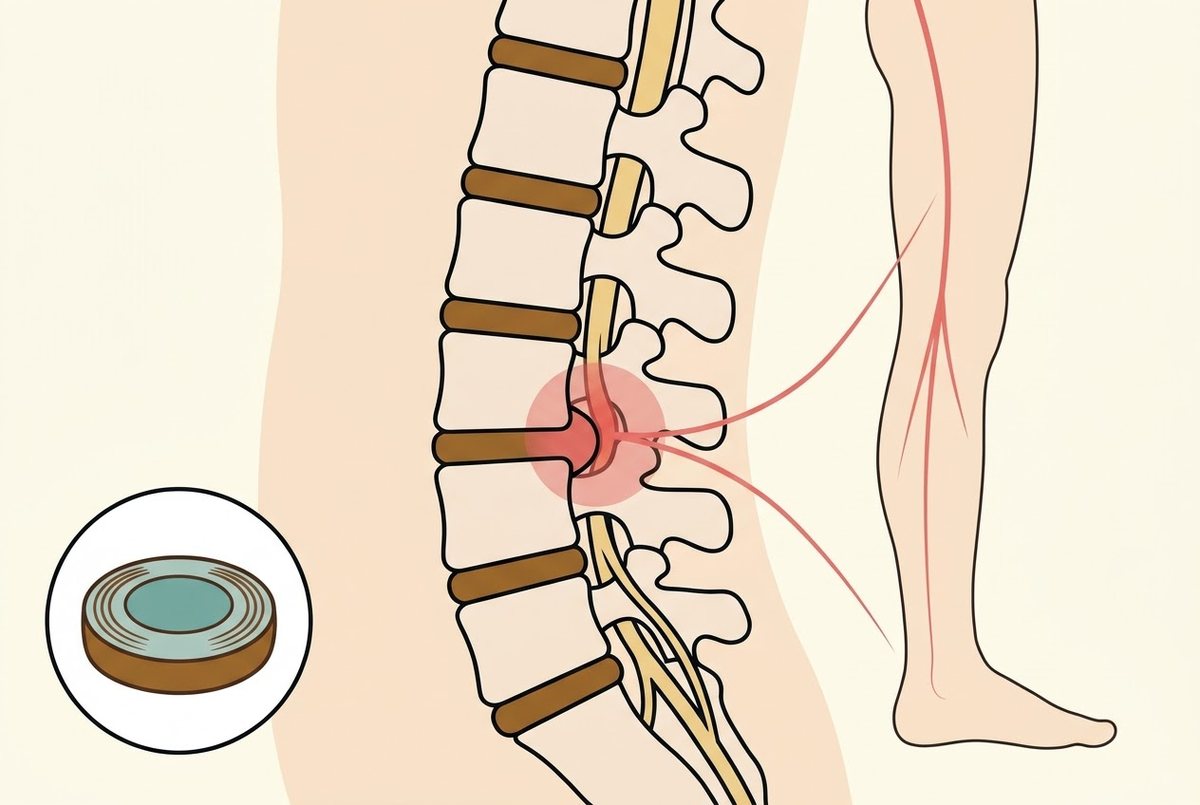
The spine has four regions: the neck (cervical spine), the upper back (thoracic), the low back (lumbar), and the sacrum and tailbone. It is built from stacked bones (vertebrae) that protect the spinal cord, cushion-like discs between them, ligaments that hold the bones in place, and muscles and tendons that support the trunk and move it. A problem with any of these structures can cause pain.
The National Institute of Arthritis and Musculoskeletal and Skin Diseases (NIAMS) describes three types by how long the pain lasts.
Pain ranges from a dull, constant ache to a sudden, sharp pain that can travel into the buttocks, legs or arms. It can follow an accident, a fall or heavy lifting, or develop slowly with age-related changes in the spine.
Causes and risk factors
Back pain is often caused by several factors at once, and sometimes no specific cause can be found. Common causes include:
Risk factors
- Fitness: weak back and abdominal muscles may not support the spine well, and overdoing activity after a period of inactivity can trigger pain.
- Weight: excess weight and an inactive lifestyle put extra stress on the back.
- Work: heavy lifting, pushing, pulling and twisting can injure the back, and prolonged sitting with poor posture can contribute.
- Stress, sleep and mood: poor sleep, depression or anxiety can make pain more frequent and severe.
- Age and genetics: back pain becomes more common after age 45, and genetics play a role in some spine conditions.
Symptoms
- Pain that increases with lifting and bending
- Pain that worsens with sitting, standing or resting, or that comes and goes
- Morning stiffness that eases with activity
- Pain that spreads into the buttocks, hip, legs or arms
- Numbness, tingling or weakness in the legs or feet (or in the arms and hands with neck problems)
Because pain and numbness that travels along a limb can come from an irritated nerve, such as in sciatica, a clinician will check strength, reflexes and sensation as part of an exam.
When to get help
NIAMS advises seeing a doctor if your pain does not improve after a few weeks, or if it comes with any of the following:
- Numbness and tingling
- Severe back pain that does not improve with medication
- Back pain after a fall or injury
- Trouble urinating
- Weakness, pain or numbness in your legs
- Fever
- Weight loss that you did not intend
How back and neck pain affects daily life
| What a person may notice | Why it happens | Who helps |
|---|---|---|
| Pain with bending, lifting or getting out of a chair | Irritated muscles, discs or joints react to load, and weak trunk and hip muscles give less support. | Physical therapy |
| Stiffness after sitting or in the morning | Joints and soft tissues stiffen with inactivity, and degenerative changes can reduce motion. | Physical therapy |
| Pain or tingling spreading into an arm or leg | An irritated or compressed nerve, for example from a disc or narrowing of the spinal canal. | Your physician, with physical therapy |
| Trouble with dressing, bathing, cooking or chores | Pain limits bending, reaching and lifting, and poor body mechanics add strain. | Occupational therapy |
| Poor sleep, low mood and fear of moving | Pain affects sleep and mood, and fear of re-injury can lead to avoiding activity, which weakens the back further. | Whole team, with your physician |
| Pain at a desk or while driving | Sustained positions and poor workstation setup load the spine and neck. | Occupational therapy, physical therapy |
How care works
Treatment depends on the cause and the symptoms. NIAMS advises avoiding bed rest, limiting only the activities that cause pain, gradually increasing physical activity as tolerated, and using physical therapy to strengthen the muscles that support the back and improve mobility, posture and positioning. Medicines are sometimes used, and surgery is considered only if other treatments have not relieved the pain and the cause is suitable.
The American College of Physicians guideline on low back pain recommends starting with noninvasive, nonpharmacologic treatments. For chronic back pain these include exercise and other approaches that address movement and recovery. The APTA clinical practice guideline on low back pain supports patient education, staying active, and individualized exercise and hands-on therapy. Therapy works best when it is matched to what you can do now and progresses over time.
What physical and occupational therapy each do
Physical therapy: restoring movement and building a stronger back
- A thorough assessment of movement, strength, flexibility, posture and nerve symptoms
- Individualized exercise for the trunk, hips and legs, with gradual progression
- Mobility work and hands-on techniques as appropriate
- Education on pain, safe movement and how to stay active during flare-ups
- Posture and lifting strategies for home, work and sport
- A written home program, and a plan for returning to the activities you want
Occupational therapy: protecting your back in daily life
- Body mechanics for lifting, carrying, bending and household tasks
- Workstation and home setup, including seating, bed height and kitchen layout
- Adaptive equipment such as reachers, long-handled tools and supportive seating
- Pacing strategies that balance activity and rest
- Training for family members who help with heavier tasks
Supporting services
With your physician’s agreement, these can complement core therapy.
What an ELEVATE home visit looks like
- Review: your history, the pattern of your pain, medicines and your doctors’ recommendations.
- Assessment: movement, strength, flexibility, posture, nerve symptoms and daily tasks.
- Home setup: bed, chairs, bathroom, kitchen and workstation.
- Plan: goals that matter to you and a written home program.
- Communication: progress shared with your physician as appropriate.
ELEVATE serves adults in Oakland and Macomb County, Michigan, with licensed physical and occupational therapists. See Payments & Insurance for details.
Questions families ask
Should I rest in bed when my back hurts?
How long does back pain usually last?
Do I need an MRI or X-ray?
Is exercise safe if I have a disc problem or stenosis?
Can therapy help with neck pain?
Do I need a referral or does insurance cover this?
Does ELEVATE replace my doctor?
Trusted resources for back and neck pain
These organizations are the leading sources of education and support for this condition. We are not affiliated with them.
Related guides
Browse every condition we treat on our Conditions We Treat page.
Sources and medical note
- National Institute of Arthritis and Musculoskeletal and Skin Diseases: Back Pain: Symptoms, Types, and Causes and Diagnosis, Treatment, and Steps to Take.
- Qaseem A et al. Noninvasive Treatments for Acute, Subacute, and Chronic Low Back Pain: A Clinical Practice Guideline From the American College of Physicians. Annals of Internal Medicine, 2017.
- George SZ et al. Interventions for the Management of Acute and Chronic Low Back Pain: Revision 2021. Journal of Orthopaedic & Sports Physical Therapy, 2021 (APTA).
This page is educational and is not medical advice. It does not replace your physician’s care. Always follow your physician’s instructions. For back pain with loss of bladder or bowel control, numbness in the groin, sudden severe leg weakness, chest pain or signs of stroke, seek emergency care or call 911 immediately.
Contact Elevate Therapy Services
Need to reach us? Use our web form to send a message now, or contact us using one of the methods below.
We will be in contact within one to two business days.
Phone: (248) 266-5721
Fax: (586) 788-1704
